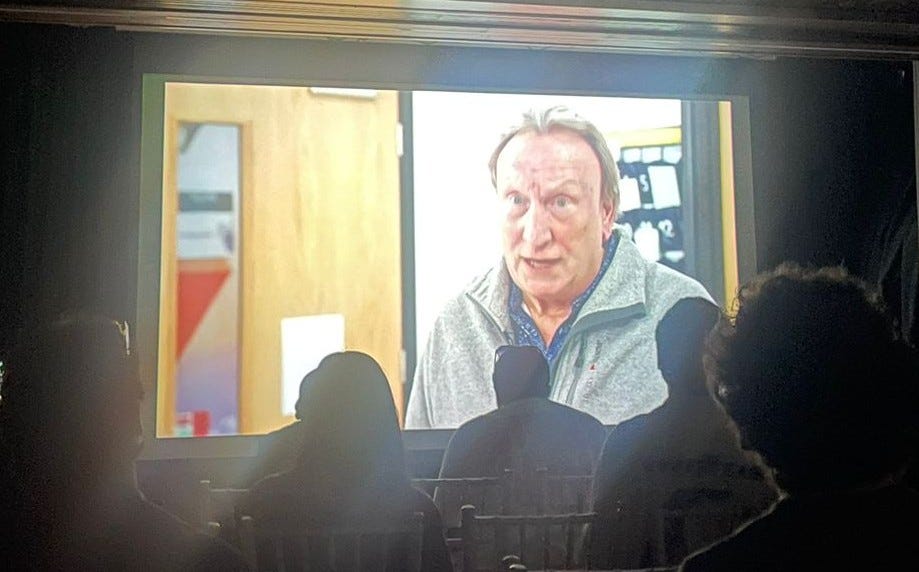
SPEX may sound like a cabal of Bond villains, but it is actually a 500-strong group of British Series Producers and Executives in unscripted TV.
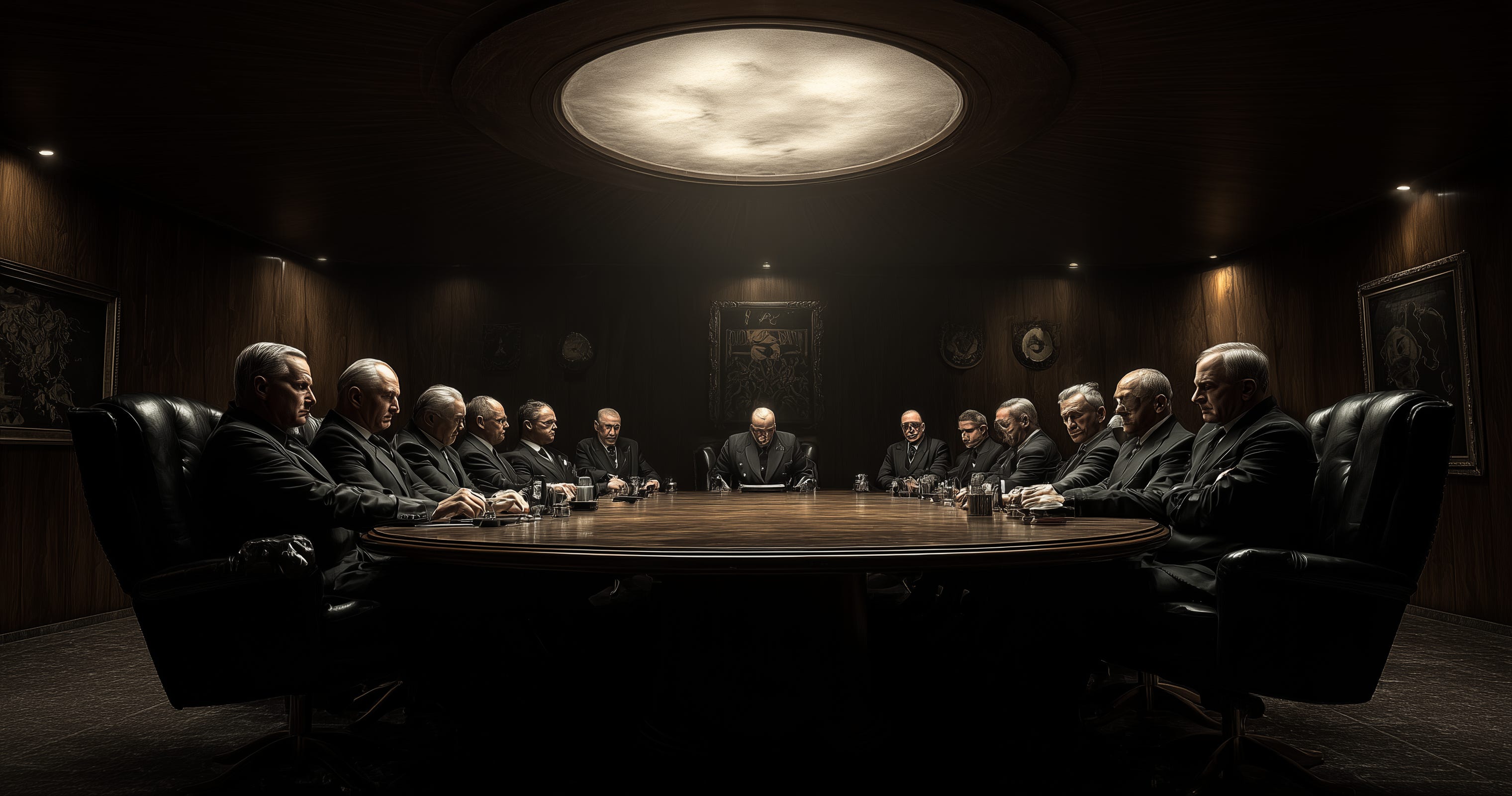
Since I joined, I have been amazed by its collective ability to find recommendations for the most obscure job descriptions imaginable.
If you need a fixer in Laos with quiz show experience, a North Norwegian drone operator who knows sign language, or a tapdancing pathologist in Orkney, SPEX is the place to ask. They are better connected that The Sopranos.
So, I was honoured to be invited to speak about creative AI at a SPEX event at The Film and TV Charity in Soho’s Golden Square.
But things (being things) didn’t work out quite as planned. SPEX are a playful bunch, and each expert was challenged to kick things off with a summary of their subject in under three minutes.
Given that AI is the focal point for 75% of global corporate investment, with annual spending about to hit 2.52 trillion dollars, it did seem like a bit of a tough call to sum up one of the most humongous, interconnected economic ecosystems known to humanity in under one-hundred-and-eighty seconds.
But I gave it a go:
“With AI tools, it can be as quick and affordable to create a shot of an inter-galactic space ship as a shot of a toothbrush. AI enables digital creators to be highly reactive and imaginative.
You don’t need to code – TV skills like scripting, direction, and editing are hugely applicable.
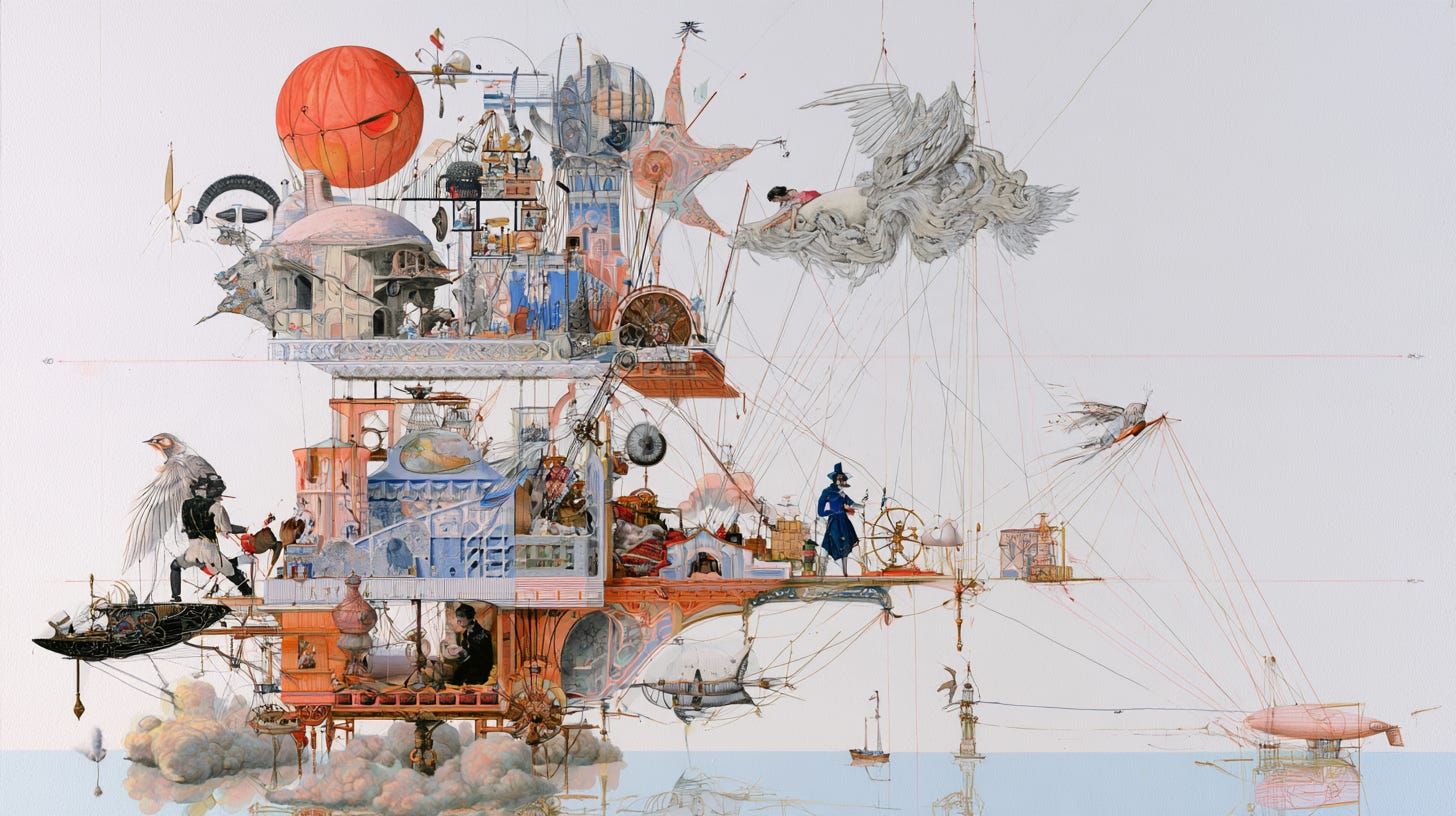
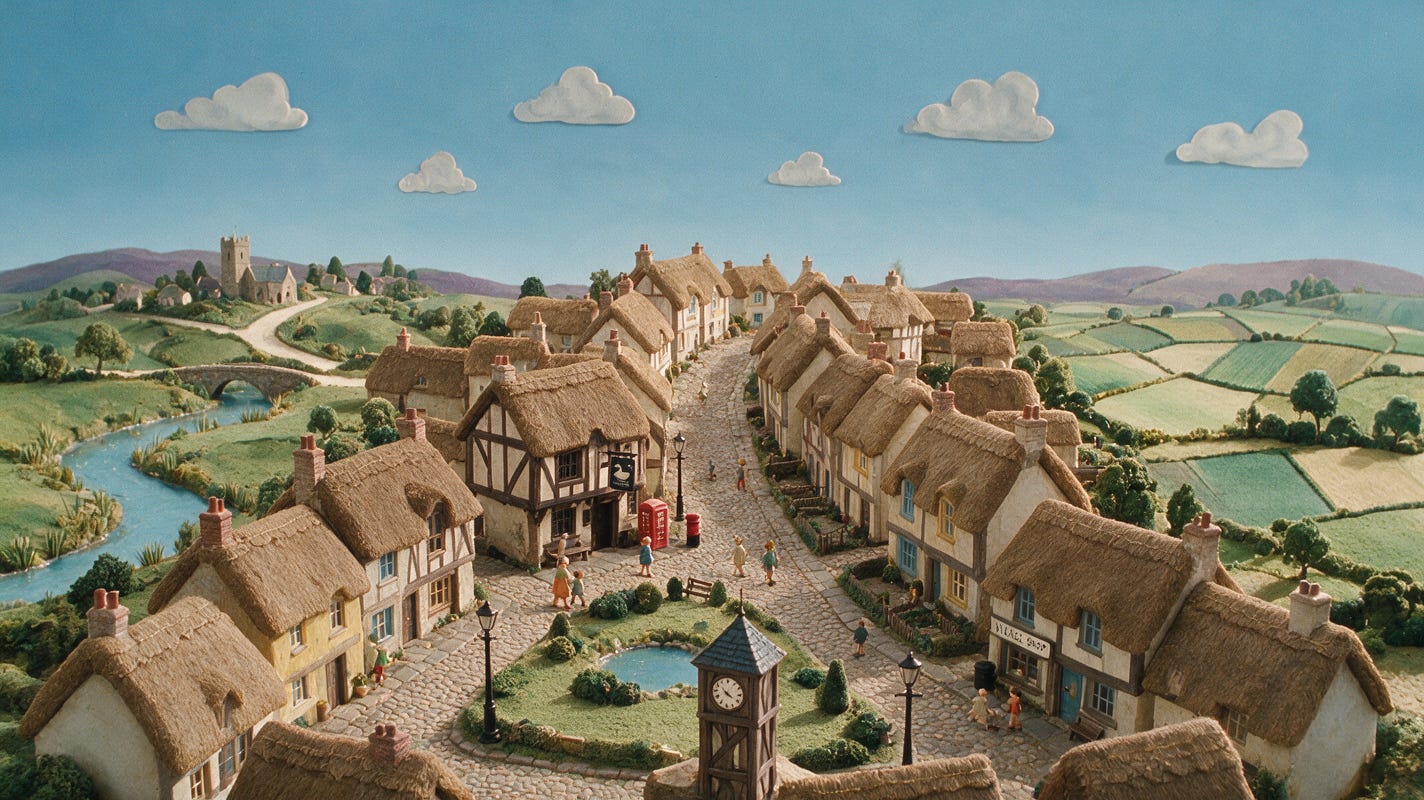
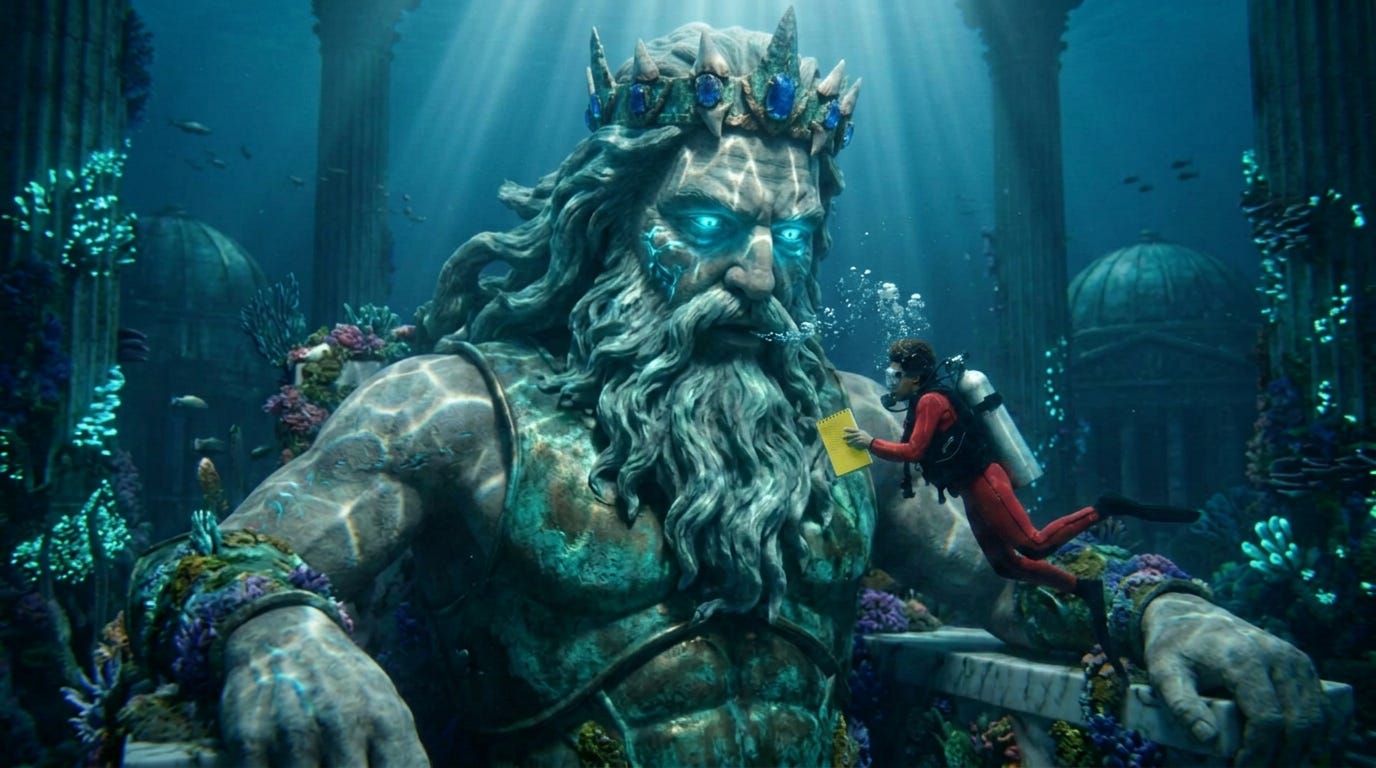
With image generation, Midjourney is a good place to start. You can see the text prompts used to generate the sample images on display.
Freepik is a good next step – you can build custom characters, styles and objects that are repeatable. If you train it on enough images of your cat, you can put it in late medieval France and it will still look like your cat.
With video generation, Google veo 3 and Kling are leaders in the field. You are generally building one short clip at a time – so it’s down to you to envisage sequences. The current automated editing platforms like Sora 2’s are not good enough for professional use.
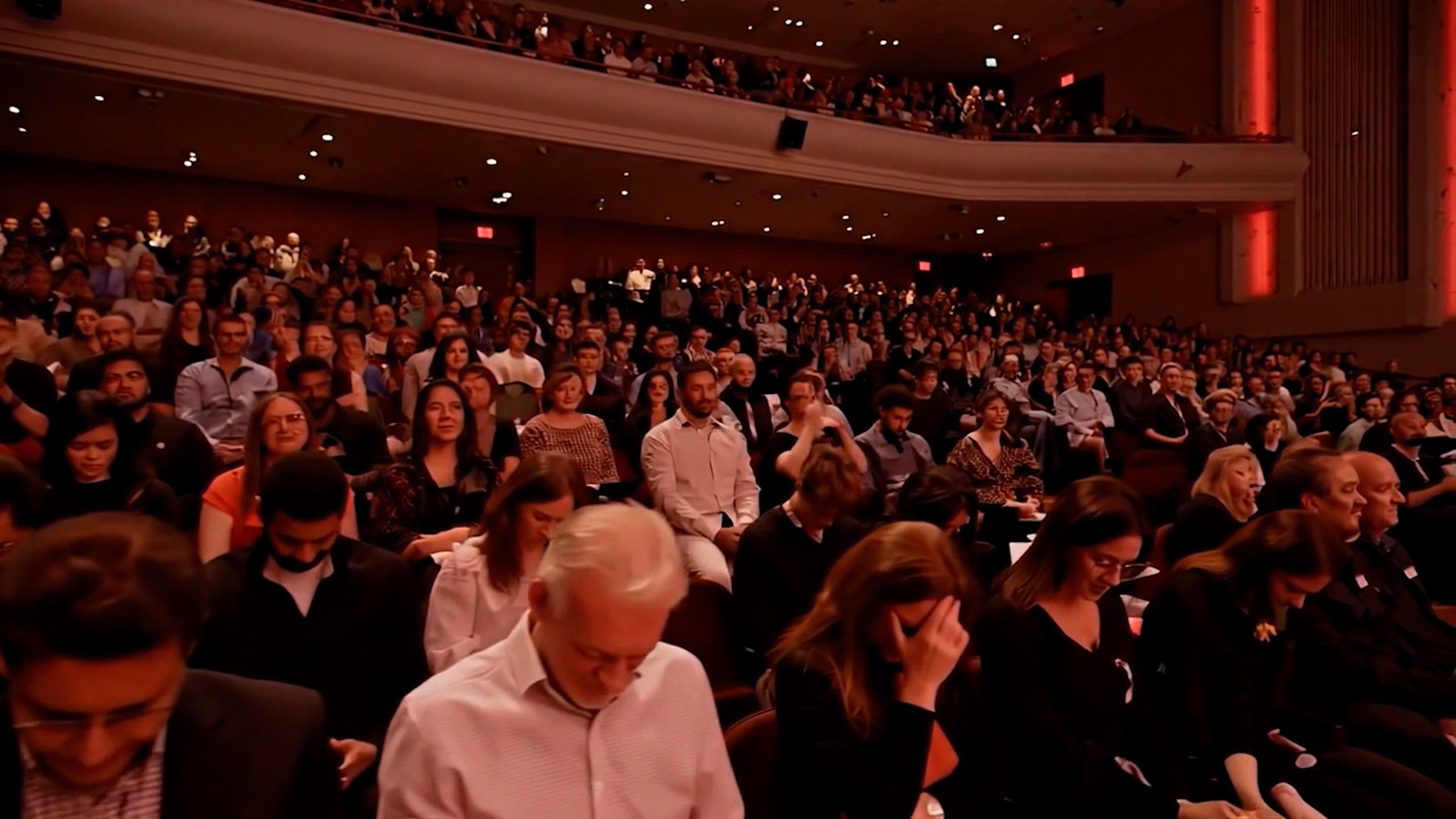
You can mix AI generated video with filmed footage – you might generate an impressive establishing shot or a stylised sequence to illustrate an abstract concept. I had someone film me in a small virtual studio and I used AI to create an audience of thousands. It was a TikTok character – the world’s worst life coach -giving a disastrous TED talk and I was able to hone in on individual AI-generated crowd members to have them suffer in exquisite detail, or ask bemused questions.
If you just use AI to do menial tasks, it’s a waste – it can be a senior consultant in any area of expertise, including social media. It gets algorithms and metadata – I guess it’s a more closely related species than we are.
Don’t automate yourself out of the picture. You can use AI tools to get your creative vision across in the way you want. AI can be the camera and you can be the director.”
Did I miss anything out?
Yes. But it was a start, and a lively discussion ensued.
I’d tell you more, but I’m a bit worried about the Bond villains.