Adding pictures to sound is hardly a new idea. It has been a while since video killed the radio star, and now that every podcast is becoming a vodcast, it is no great surprise that AI audio supremos Eleven Labs are rolling out the visuals.
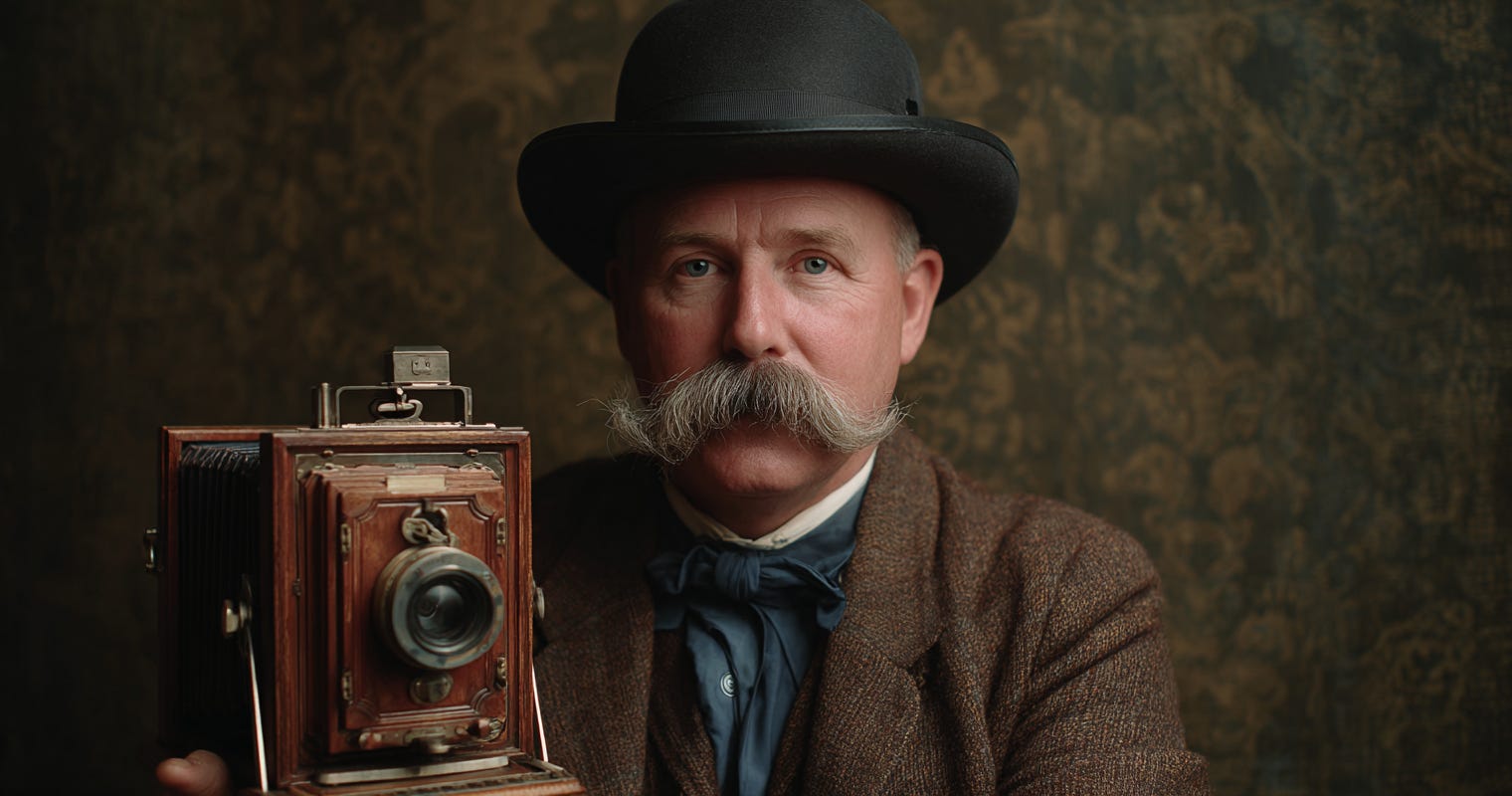
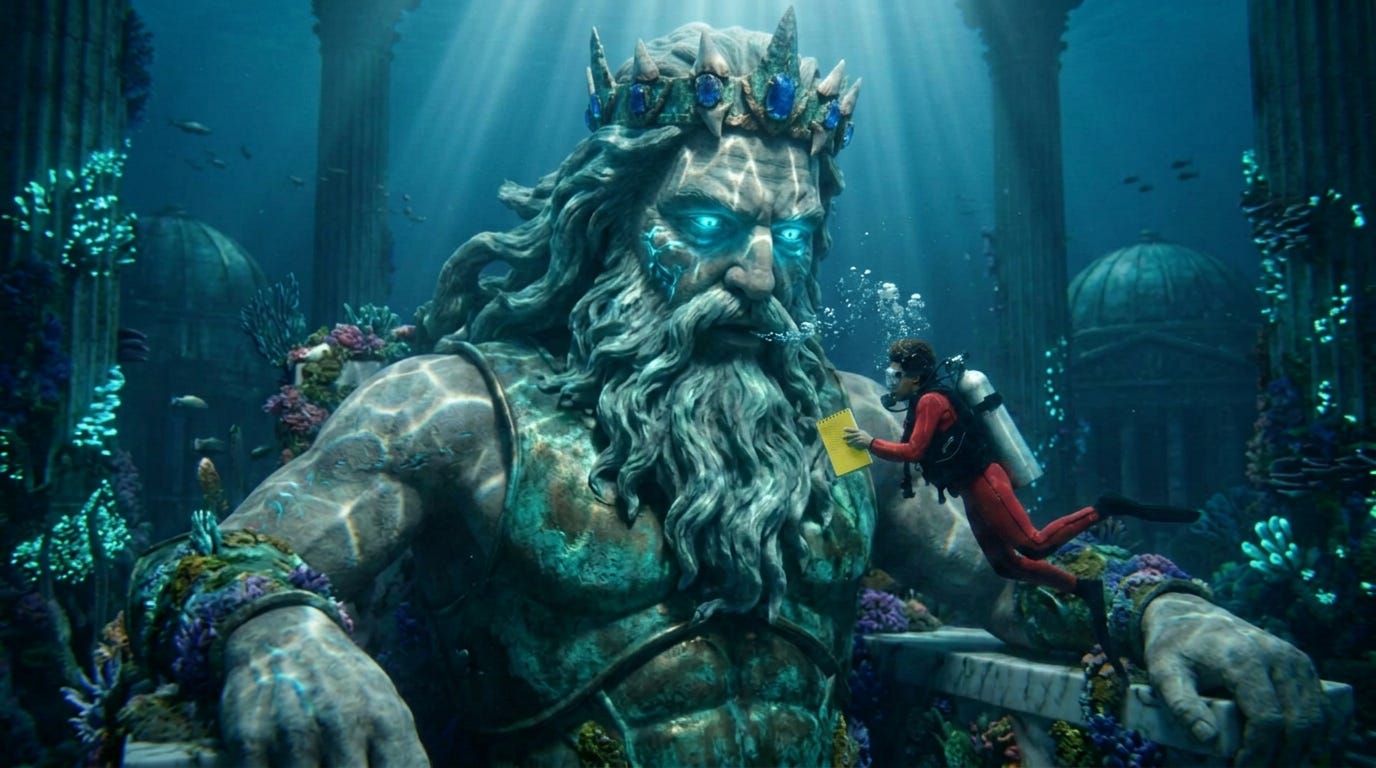
On the surface, the new image and video generation functions on ElevenLabs are nothing to email home about. Veo 3.1 Fast Frames and Nano Banana 2 are on offer, which are standard on Google Flow, and easily accessible through Freepik. But having them on a platform primarily designed for audio is a game-changer.
Once you have generated your video, Lip Sync 2 Pro is immediately on hand, and you can Edit in Studio. The latter allows you to remove background audio, fiddle with the voice changer, record your own voice, use text to speech and other stuff too, if you fancy it.
You can do this with imported video generated on other platforms, but this de-faffs the process (de-faffing would be even more important if it was actually a word). This tool integration is obviously designed to keep people on the platform, but that’s no bad thing – it saves time and subscriptions.
I have never been a huge fan of fraud, what with its massive negative financial and emotional impact on countless victims worldwide. But the thing that really gets my goat is that fraud has led to the restriction of voice cloning tools.
Now, you can clone your own voice to a high degree of accuracy, but anyone else’s voice can only be an approximation. I get it – you don’t really want a clone of your partner’s voice calling you up about a Nigerian business opportunity.
But on the downside, you cannot properly train the tool to clone the voice of a character you have generated yourself. The odds of a talking dog being used in a major international scam are fairly long, but the platform will only let you create a rough approximation of its dulcet tones. Can’t be too careful.
I do love the range of voices available on Eleven Labs – from Chuck Fresh the movie trailer guy to posh Sophie Langford to Malvoryx The Monster – but I have sometimes struggled with the voice changer. When I am trying to turn my male London babble into fluent female Californian, it can end up Transatlantic or Antipodean.
One big potential timesaver is the relatively new audiobook tool. The thirty-two languages are a huge plus, and you can assign character voices as well as narrator. But there are issues getting AI audiobooks accepted on other platforms (sometimes because they have AI tools of their own).
The options to publish to ElevenReader, Spotify or Findaway Voices are there – but my books are all on Amazon and I am reluctant to start again.
The other major issue is, I am a massive show off and feel that only my own natural voice can do my work justice.
But then again – that is a lot of reading. My Cuthbert Huntsman book series about the world’s worst life coach is almost half a million words long. It is one thing for authors to “find their voice”, but reading all that aloud might make me want to lose it again. Let’s see.